
Napoleon: Unearthing the Strategies of the Historical Wargame
The game of Napoleon captures the imagination of both history enthusiasts and strategic thinkers alike. Rooted in the rich history of Napoleonic Wars, this captivating game draws players into the intricate tactics and strategic brilliance that characterized one of history's most renowned military leaders. As the game gains further attention in current gaming circles, particularly within Brazil, it’s important to explore its rules, mechanics, and the potential for betting innovations in the gaming space.
Introduction to Napoleon the Game
Napoleon is primarily known as a trick-taking card game with its roots steeped deep in 19th-century gaming culture. It closely mimics the strategic consideration required in warfare, which is no small reason for its namesake. Napoleon's design emulates the tactical depth of a military campaign, challenging players to outmaneuver opponents and anticipate moves ahead of time.
The game is traditionally played with a standard deck of 52 cards, and typically involves three to seven players. These participants adopt the roles of generals on a battlefield, where their success hinges on both cunning strategy and perceptive reading of opponents' actions.
The Basic Rules of Napoleon
Understanding the rules is essential to mastering Napoleon. The game begins with one player, often dubbed the "Napoleon," who declares the number of tricks they intend to win. This declaration sets the pace and strategy for the round. Players then proceed to play cards in a series of rounds or 'tricks'. The ultimate objective for the Napoleon is to win the pledged number of tricks while the others collectively aim to prevent this outcome.
Players place their cards down one by one, each trying to win a trick by playing the highest card of the leading suit or by using a trump card that overrides other suits. The winner of a trick leads the next, and the process continues until all cards have been played. The scoring system is straightforward: if Napoleon fulfills their contract, they receive points, otherwise, points are given to opponents.
Strategic Considerations
The strategies in Napoleon revolve around keen predictions and deceptive tactics. Players must scrutinize the cards already played and those likely held by their opponents. The art of bluffing, a hallmark of many card games, is especially pronounced here, as is the ability to carefully calculate risks based on incomplete information.
Employing a solid strategy means understanding not only the strength of one’s own hand but also speculating on the distribution of other strong cards, particularly trumps, among opponents. This layer of complexity is what makes Napoleon both challenging and rewarding.
Napoleon's Place in the Current Gaming Scene
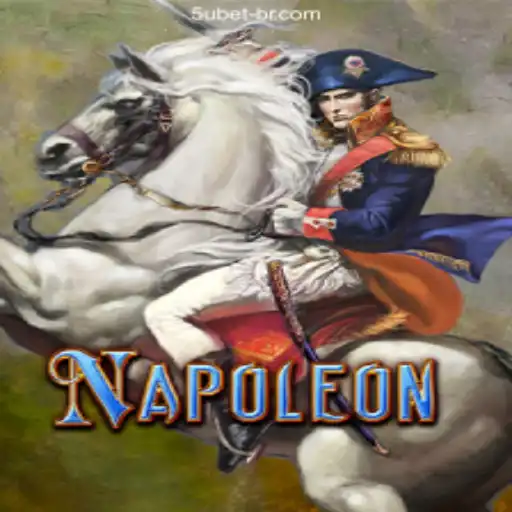
With betting becoming a significant aspect of modern gaming, Napoleon's strategic depth presents a fascinating focus for wagering enthusiasts. Recently, the Brazilian betting platform, frequently dubbed as the number one in the country, has started to spotlight games like Napoleon among its offerings. The tagline "5u bet A Plataforma de Apostas #1 do Brasil" has been associated with this initiative, underlining the platform's commitment to enriching the gaming and betting landscape with engaging options like Napoleon.
This move reflects a broader trend where traditional games are finding new life and audiences through online platforms that offer innovative betting mechanisms. By integrating Napoleon into the fold, there is the potential for growth in its popularity as players discover the thrilling intersection between strategic gameplay and the excitement of betting.
Exploring the Historical Context
The historical backdrop of the game lends it further authenticity and appeal. The Napoleonic Wars, stretching from 1803–1815, serve as both an inspiration and metaphor within the game’s structure. This conflict, marked by iconic battles and strategic brilliance, provides thematic depth and context, inviting players not just to engage with the mechanics of the game, but also to appreciate the historical significance behind the strategies employed.
Connecting with history adds layers to the game’s allure, offering players a sense of immersion that extends beyond mere points or rounds won. This fascinating historical connection enriches each session, transforming gameplay into a narrative experience — one that draws parallels to real-world military tactics and outcomes.
The Future of Napoleon in the Gaming Sphere
As Napoleon continues to gain traction within digital and betting platforms, its potential for expansion seems promising. By capturing the interest of both strategic card players and those drawn to historical games, it paves the way for innovative tournaments and competitions. These could further integrate betting into the gaming fabric, fostering a dynamic community around the game.
The drive to digitize traditional games like Napoleon reflects a growing appreciation for their enduring appeal and adaptability. As more people discover the game, either through online competitions, betting platforms or community gatherings, its legacy is likely to be solidified further within the modern gaming landscape.